If your Green Hills home is going to make a strong first impression, it needs to do it online before a buyer ever steps through the door. In a high-value market where homes can still spend weeks on the market, polished presentation is not just a nice extra. It is part of the strategy. If you want your listing to stand out in 37215, here is how to make your photos, staging, and marketing copy work harder from day one.
Why online presentation matters in Green Hills
Green Hills sits at the premium end of the Nashville market, and the numbers support that. Late-spring 2026 data showed a Green Hills median sale price of about $1.25 million, while the broader 37215 ZIP came in around $1.35 million. At the same time, homes were still averaging about 61 to 62 days on market, which means price point and limited inventory alone do not guarantee a quick sale.
That matters because buyers often decide whether to schedule a showing based on what they see in the first few seconds online. In a market with only 18 homes for sale as of May 31, 2026, you may have less competition in number, but each competing listing is likely to be closely compared. A rushed launch can make a strong property easier to scroll past.
Green Hills also has a design-sensitive setting. Metro Nashville notes that the Green Hills-Midtown Community Plan area includes 9 Urban Design Overlays, more than any of Nashville’s 14 communities, plus 2 institutional overlays. If your home is in one of those affected areas, visible exterior work and façade changes should be confirmed before you feature them heavily in marketing.
Start with how buyers actually shop
Most buyers begin online, and that behavior shapes how your listing should be prepared. Recent NAR data found that 43% of buyers said the first step in their search was looking online for properties, and 51% said they found the home they purchased on the internet. On top of that, 69% used a mobile or tablet device during their search.
That means your listing needs to look sharp on a small screen, not just on a desktop. Buyers are often making fast decisions while scrolling, so your lead photo and early image sequence carry real weight. If those first images do not create interest, many buyers never read the description.
The same research shows what buyers value most. Among internet users, 83% rated listing photos as very useful, 57% said floor plans were very useful, and 41% said virtual tours were very useful. In short, strong visuals are not optional in Green Hills. They are central to getting attention.
Focus on the first five images
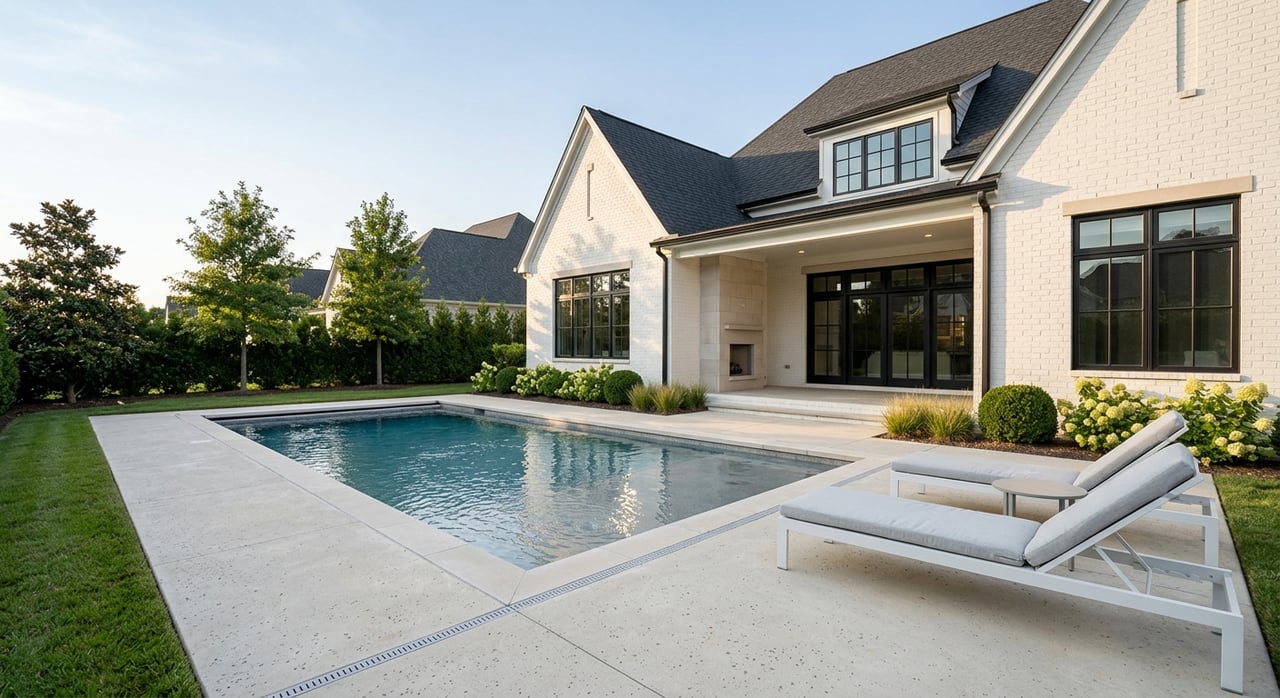
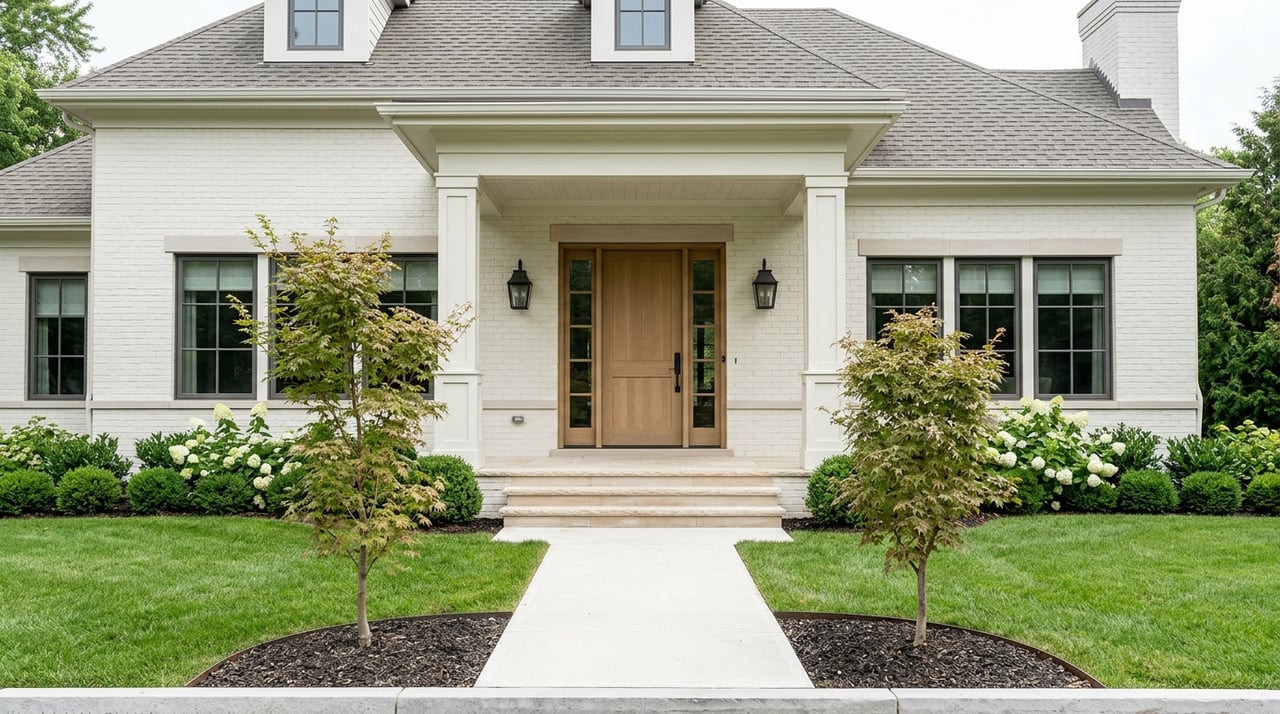
Your first photo should do more than document the property. It should create a reason to stop scrolling. For many Green Hills homes, that may be a bright exterior shot with clean lines and strong curb appeal, or a standout interior image if the architecture and finish level are the main draw.
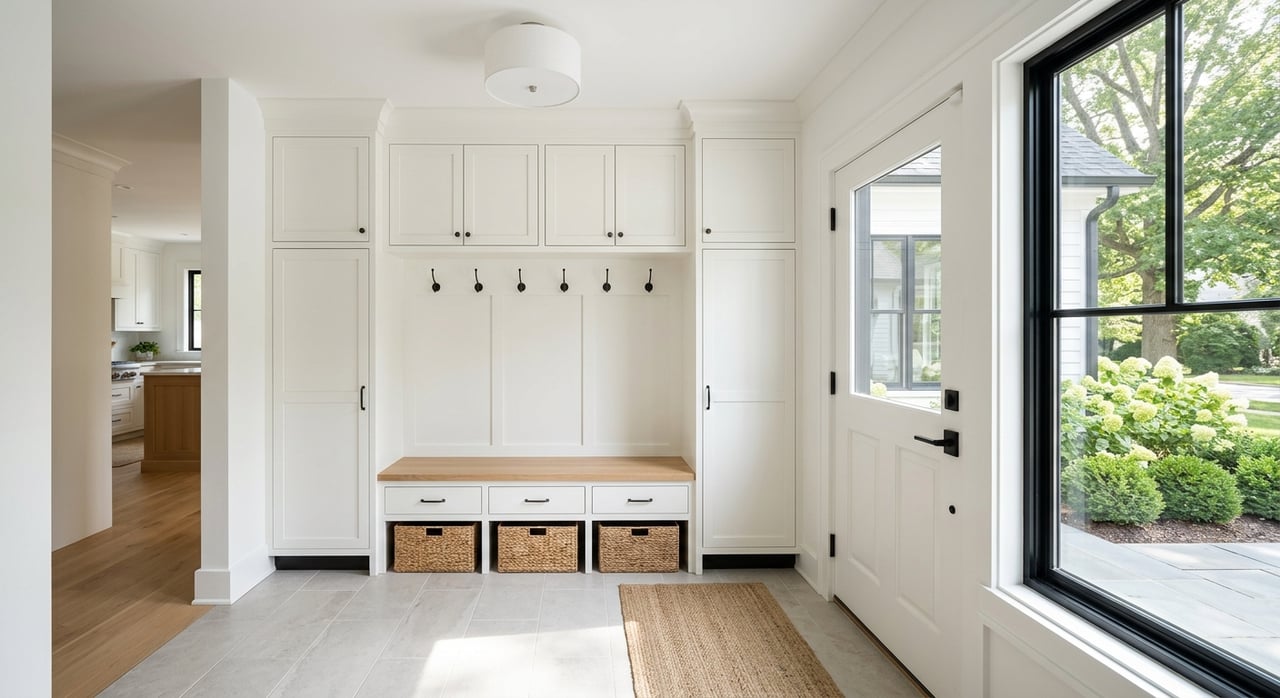
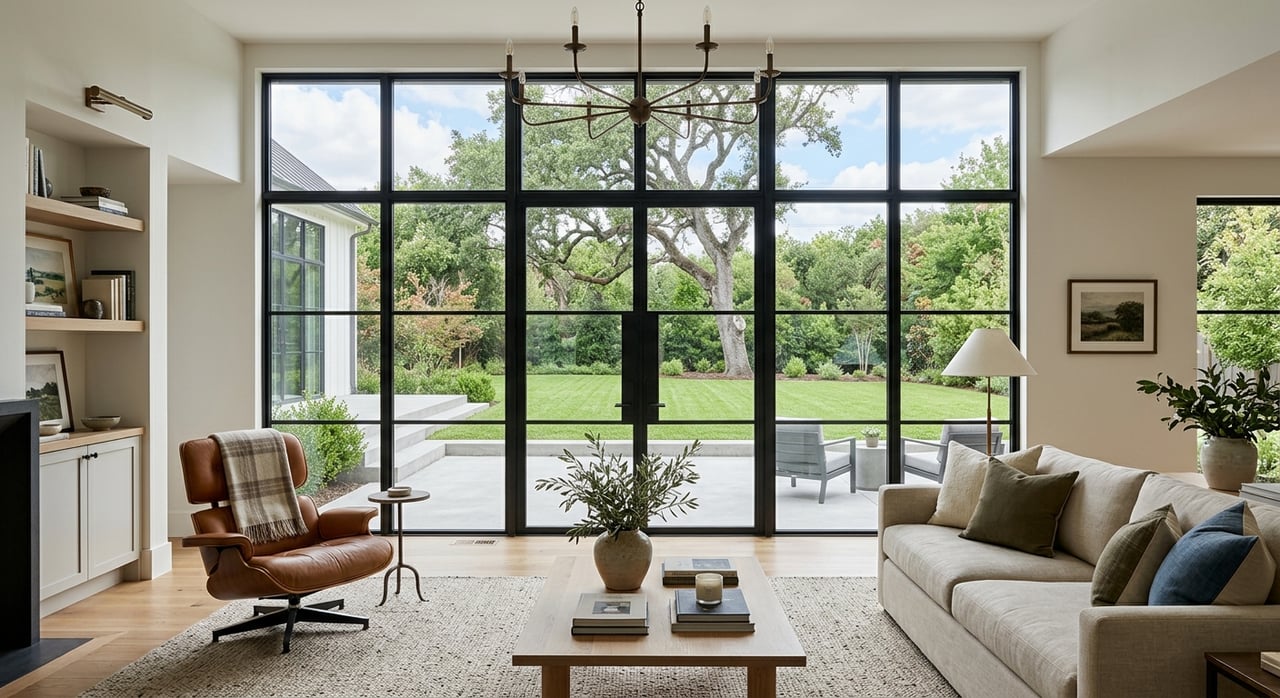
After that, the next few images should quickly answer a buyer’s biggest questions. Show the main living space clearly, then the kitchen, primary suite, and one or two features that support value, such as updated baths, outdoor living, storage, or layout flow. Buyers should understand the tone of the home before they reach photo ten.
NAR guidance also emphasizes that image sequencing matters. The first handful of photos often does most of the selling work, especially in the first few days after launch. That is why a deliberate photo plan matters more than simply uploading every room in random order.
Stage the rooms that matter most
If you are deciding where to spend time and money, start with the spaces buyers notice first. NAR’s staging research found that 83% of buyers’ agents said staging made it easier for buyers to visualize the property as a future home. The rooms most often staged include the living room, primary bedroom, and dining room.
Other key areas include the kitchen and outdoor spaces. In Green Hills, where presentation standards are often higher, these spaces help shape the full impression of daily livability. A polished living room, a clean and restful primary suite, and a well-presented patio or backyard can make the home feel complete online.
Full staging is not always necessary, but thoughtful presentation usually is. NAR reported a median cost of about $1,500 for staging services, while self-staging averaged closer to $500. At Green Hills price points, that can be a practical marketing expense rather than an unnecessary extra.
Make the simple fixes before photos
You do not need a full renovation to improve how your listing reads online. Many of the most effective updates are basic visual fixes that remove distraction and signal care. In listing photos, buyers tend to notice clutter, deferred maintenance, and worn finishes faster than sellers expect.
If you want the biggest payoff before going live, focus on these items first:
- Declutter surfaces and storage areas
- Deep clean the entire home
- Touch up paint where needed
- Complete minor repairs
- Clean carpets and grout
- Depersonalize key rooms
- Improve landscaping and curb appeal
- Remove pets during showings and photo sessions
These steps help buyers focus on space, light, and layout instead of small issues. In a neighborhood where buyers may compare finish quality closely, clean presentation supports stronger perceived value.
Add a floor plan and virtual tour
Photos get attention, but layout tools help buyers commit to the next step. A floor plan gives buyers a quick way to judge room relationships, furniture fit, and overall flow. NAR reports that floor plans are one of the most requested visual assets after photos.
A virtual or 3D tour can also help because it shows how the home actually connects from room to room. That is especially helpful for larger Green Hills homes, renovated layouts, or properties with guest space, office space, or outdoor living areas that do not come across fully in still images. When buyers can understand the plan more easily, they are more likely to schedule a showing with confidence.
Write listing copy that feels specific
Strong Green Hills listing copy should sound local, not generic. Instead of leaning on broad phrases that could fit any neighborhood, focus on details that place the home clearly within Green Hills. Visit Nashville describes the area as known for upscale brands and boutiques, The Mall at Green Hills, and the Bluebird Cafe, and those kinds of concrete references help a listing feel grounded and credible.
At the same time, your description should stay focused on facts and features. NAR recommends clear, relevant copy over clever language, especially in competitive markets. That means it is better to plainly explain layout advantages, recent updates, outdoor usability, or energy-efficient improvements than to rely on vague claims.
The most useful feature categories to highlight right now include:
- Energy-efficient upgrades
- Flexible office or guest space
- Smart-home features
- Usable outdoor areas
- Thoughtful updates supported by visible evidence
If you describe a home as move-in ready or thoughtfully updated, the photos and condition should clearly support that language. Specificity builds trust. Overstatement does not.
Keep photo editing realistic and compliant
A polished listing should still be truthful. Realtracs rules make that especially important in this market. MLS photos must depict the property itself, and text, logos, or image overlays are not allowed on listing photos.
Virtual staging is allowed only when it is not deceptive, is labeled in media remarks, and is paired with an unaltered current image immediately before or after. Realtracs also prohibits impossible views, fake fixed features, and removal of elements outside the owner’s control, such as neighboring buildings or utility lines. If you want your listing to stand out, realism matters more than digital gloss.
That same principle applies to exterior marketing in overlay-sensitive areas. If your home includes visible additions or façade changes, confirm those details before making them central to the marketing story. In Green Hills, design context can matter as much as finish quality.
Match prestige with livability
The best Green Hills listings usually strike a balance. Buyers respond to the neighborhood’s established appeal, but they also want proof of everyday function. That means your online presentation should combine polished visuals with practical answers about how the home lives.
Show the features that support the price, but also show the spaces that support daily routines. A refined kitchen matters, and so does a usable home office. Strong curb appeal matters, and so does a backyard that feels functional. In a market like Green Hills, your listing stands out when it feels both elevated and believable.
If you are preparing to sell in 37215, the goal is simple: launch with clarity, quality, and a presentation plan built for how buyers actually search today. For experienced, neighborhood-specific guidance on positioning your home for the market, connect with Richard F. Bryan.
FAQs
Which rooms should a Green Hills seller stage first?
- Start with the living room, primary bedroom, dining room, kitchen, and outdoor spaces, since these are the areas buyers tend to notice most in online listing presentation.
What minor repairs help a Green Hills listing look better online?
- The biggest visual payoff often comes from decluttering, deep cleaning, paint touch-ups, minor repairs, carpet cleaning, grout cleaning, landscaping, and improving curb appeal before photos.
When is virtual staging allowed for a Nashville-area listing?
- Virtual staging is acceptable under Realtracs rules if it is not deceptive, is labeled in media remarks, and is paired with an unaltered current image immediately before or after.
What local Green Hills details belong in listing copy?
- Specific, factual references such as proximity to The Mall at Green Hills, local boutiques, or the Bluebird Cafe can help the listing feel grounded in place without sounding generic.
How can you make a Green Hills home stand out online without overediting?
- Use strong professional photography, thoughtful staging, clear photo sequencing, a floor plan, and factual copy that highlights real updates and livability rather than exaggerated editing or vague claims.