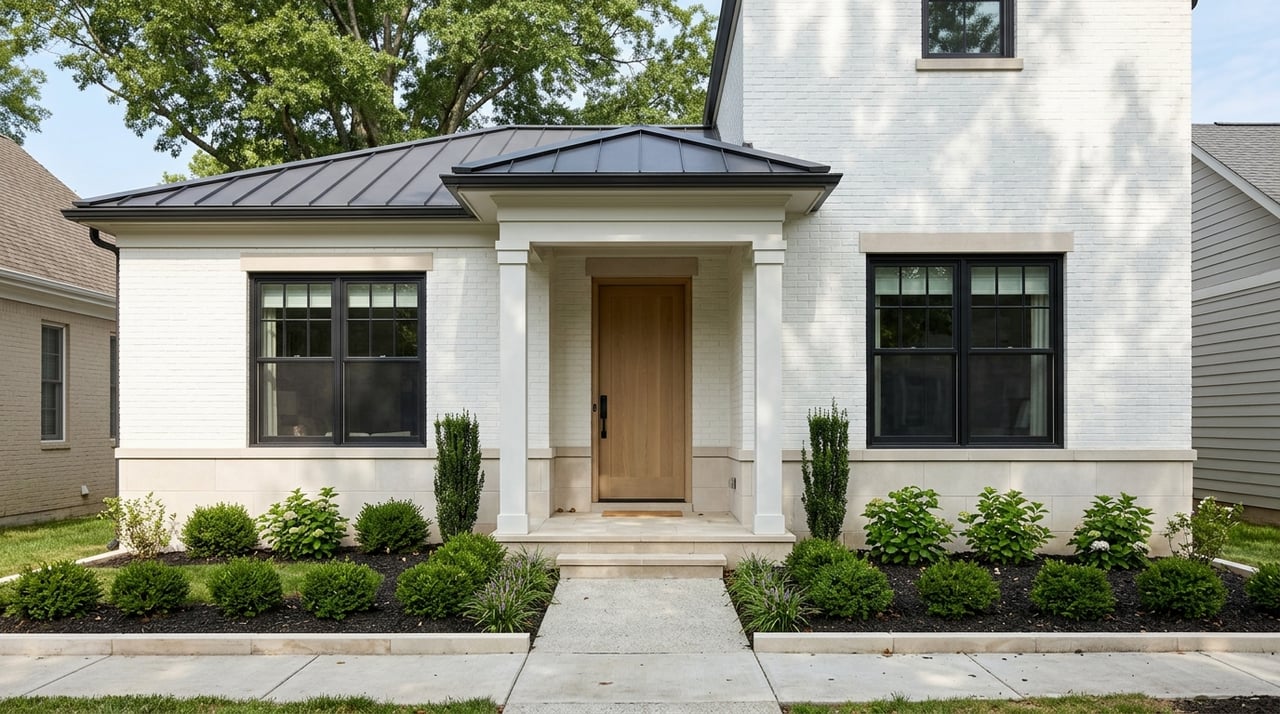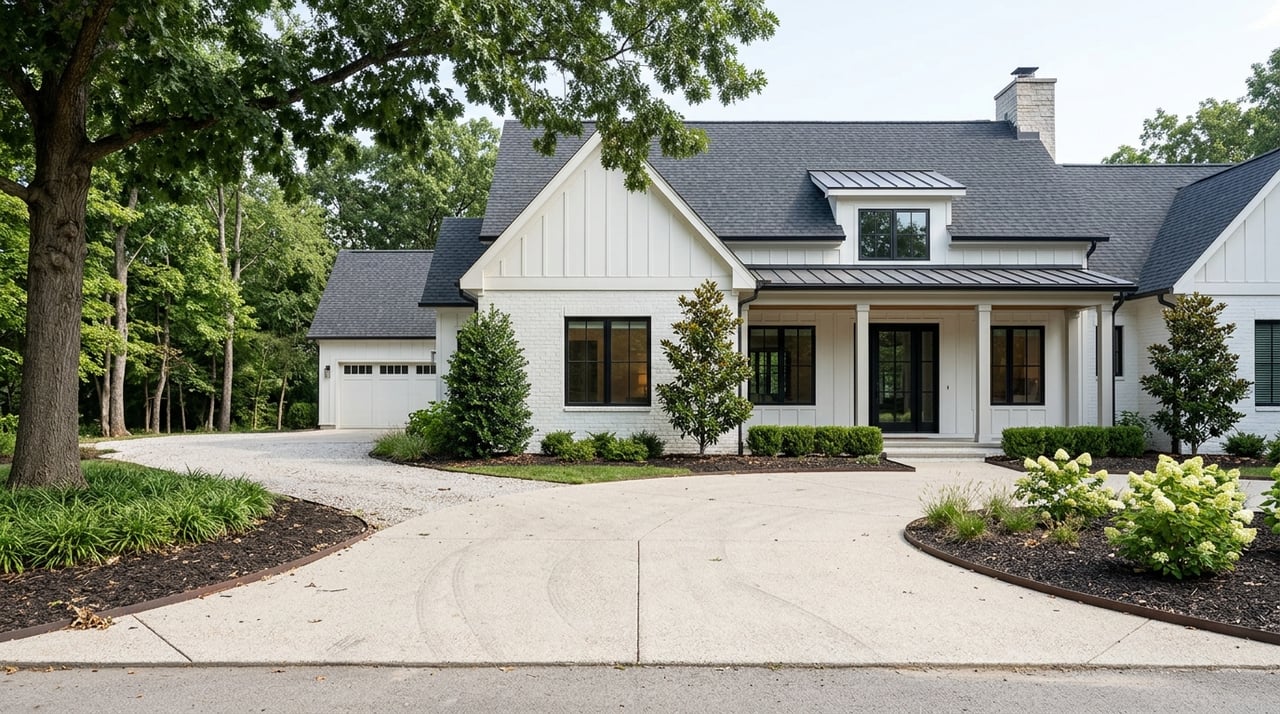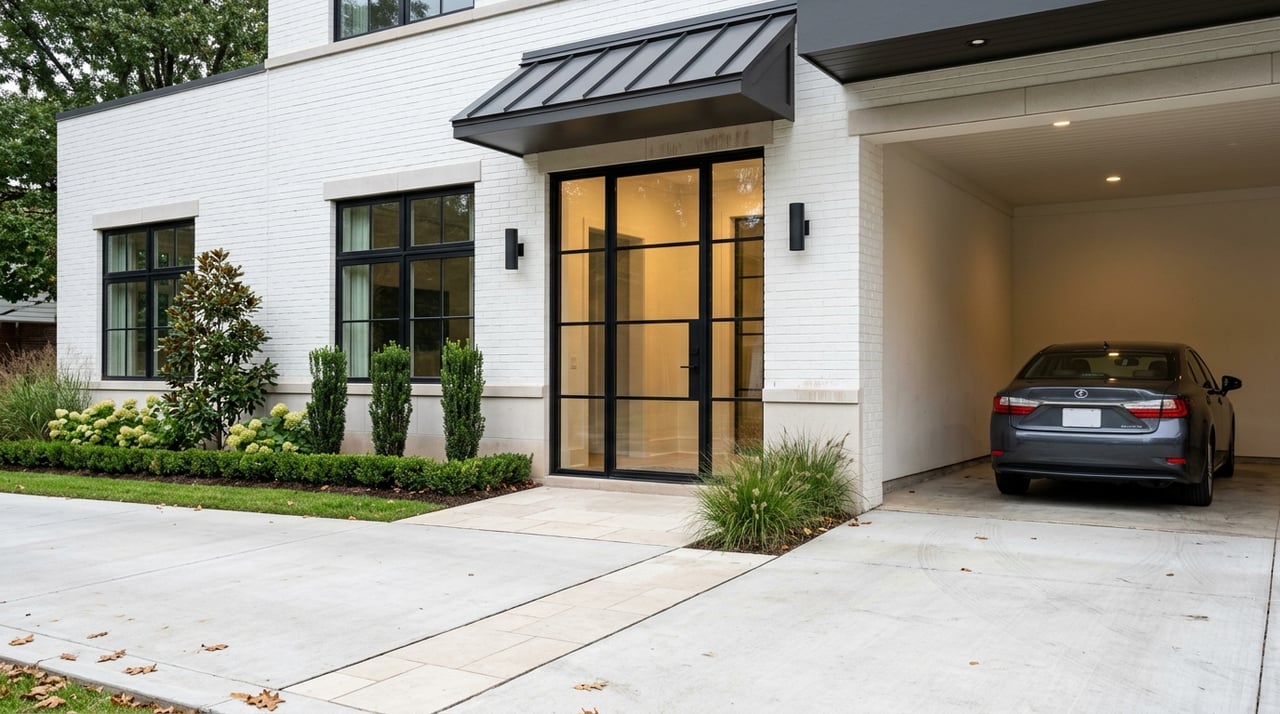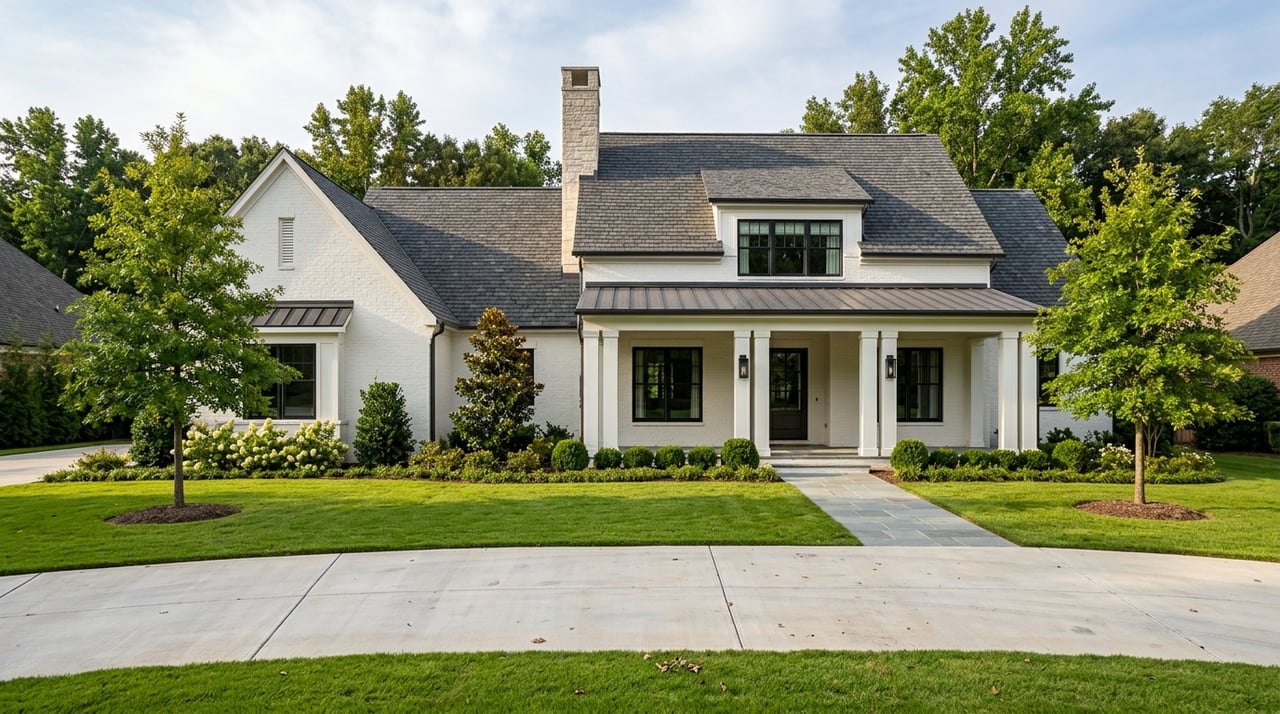
Wondering whether you should build custom in College Grove? It is an exciting idea, but it is not always the simple yes-or-no decision many buyers expect. If you are weighing land, a homesite in a private community, or an existing luxury home, understanding the local rules and risks can save you time, money, and frustration. Let’s dive in.
College Grove custom building is not one thing
One of the biggest mistakes buyers make is treating College Grove like a single type of market. It is not. Your options depend heavily on where the property sits and what zoning district applies to that parcel.
Williamson County’s current zoning framework shows just how varied the area can be. In the College Grove Village District, residential lots in the Village Core Subarea can start at 15,000 square feet, while the General Village Subarea starts at one-half acre. In the surrounding rural districts, lot minimums can be much larger, including 5 acres in RD-5 and 1 acre in RD-1 and RP-1 traditional subdivision settings.
That matters because your idea of “custom building” may look very different depending on the land. A village-area homesite, a rural acreage tract, and a lot inside a private club community can each come with very different approvals, utility options, and building constraints.
Start with the lot, not the house plan
If you are serious about building custom in College Grove, the lot should come first. A beautiful floor plan does not help much if the parcel cannot support the home you want to build.
Williamson County’s planning documents point to several issues that consistently matter in College Grove: water, sewer, underground utilities, growth control, and preserving the area’s rural and historic character. In plain terms, you are not just buying dirt. You are buying a set of possibilities and limits.
Before you fall in love with architectural drawings, ask whether the lot is already suited for your intended use. That includes zoning, utility access, septic feasibility, topography, and any community-level approval process.
Utilities and septic can make or break a build
For many buyers, utilities and septic are the real decision point. In the village area, water service is handled by the Nolensville/College Grove Utility District, which states that it focuses on dependable water service for customers. That can be a meaningful advantage when you are evaluating a site.
Sewer is a different story. Williamson County says it does not own or operate public sewerage collection and treatment, which means septic systems are required in unincorporated parts of the county unless a neighboring sewer system is available. The county also requires each structure served by running water to have its own septic system.
This is why septic due diligence needs to happen early. The Tennessee Department of Environment and Conservation says you should obtain a septic system permit before starting construction or even building-pad work. If soils or site conditions are not favorable for a conventional system, alternative systems may be required.
Some lots look ideal at first glance but become more complicated once soils, drainage, and layout are reviewed. TDEC also requires an extra-high-intensity soils map prepared by a Tennessee-licensed soils consultant for projects involving alternative systems. If you plan to split land into two or more lots for future construction where septic will be used, TDEC requires a subdivision evaluation unless all resulting tracts are 5 acres or larger.
Site conditions can add cost fast
In College Grove, price per acre is only part of the story. The land itself may create extra work long before construction begins.
The College Grove special area plan notes that sewer service beyond traditional septic systems was not available in the village and that septic use is limited on many properties because of unsuitable soils. It also identifies floodplain and steep-slope conditions east of Overall Creek. Those conditions can affect whether a site is practical, how the home must be positioned, and how much site work may be needed.
If a lot has challenging topography or drainage, your build may require more engineering, more preparation, and more time. That does not always mean you should walk away, but it does mean you should budget carefully and verify feasibility before moving forward.
Private communities bring a different path
Some of the best-known custom opportunities in College Grove are inside high-end club communities. These settings can be appealing if you want a polished environment, established amenities, and a luxury custom-home experience.
They also come with a more layered approval process. Current community marketing in College Grove shows that custom homesites can range from one-third to one acre, with homesite prices from about $445,000 to over $1.1 million. Current custom-home pricing in one local club community runs from the low $2 millions to over $6 million, while a current move-in-ready home in another community is advertised at $7 million on a 0.38-acre homesite.
Inside these communities, building often means more than buying a lot and hiring a builder. Plans may need design review approval before construction starts, and some lots may also carry membership requirements through recorded community covenants. One current listing in College Grove describes utilities stubbed to the lot and notes that construction plans require design review approval before building.
Permits and code review are part of the timeline
A custom build in College Grove involves a formal county review process. Williamson County handles building and related permits through its Electronic Plan Review system, and the county’s adopted codes include the 2021 International Building Code and the 2021 International Residential Code, effective September 30, 2024.
That means you should expect structure and process. Even when a lot is attractive and the builder is ready, there is still a sequence of reviews that can affect your timeline.
Depending on the property, you may need to work through several layers, such as:
- County zoning review
- County building permit review
- Septic review and permitting
- HOA or master association review
- Architectural or design review board approval
- Club-related obligations tied to the property
For buyers who value speed and certainty, this is a key part of the custom-versus-resale decision.
When building custom makes sense
Building custom can be a strong fit if you have a clear vision and the right lot. It is often most appealing when you want features that are hard to find in current resale inventory.
For example, custom may make sense if you want:
- A specific lot orientation
- More privacy
- A tailored outdoor living setup
- A floor plan designed around how you live
- A home that fits a very specific homesite or view
Custom can also make sense when most of the major unknowns have already been solved. If zoning is clear, water is available, septic has been evaluated, and community approvals are understood, the path gets much easier.
When buying an existing home may be smarter
Sometimes the better move is not to build at all. If you want a faster timeline, a more predictable final cost, and less exposure to soils, utility questions, and layered approvals, an existing home may be the safer choice.
That is especially true in a market like College Grove, where luxury resale and move-in-ready inventory already exist. Current community marketing in the area includes completed homes from the low $2 millions to over $6 million, and current pricing in another local luxury community includes a 5,286-square-foot home listed at $7 million.
With an existing home, you can usually evaluate the finished product more clearly. You know the lot, the layout, the view, and the improvement level up front, which reduces some of the uncertainty that comes with new construction.
A simple decision checklist for College Grove
If you are trying to decide whether to build custom in College Grove, start with a few practical questions. The answers often tell you quickly whether custom is a smart fit or whether resale deserves a closer look.
Ask yourself:
- Is the lot already zoned for the type of home you want?
- Is water available, and who provides it?
- Will the site require septic, and what type might be needed?
- Are HOA, design review, or club approvals required?
- Is your all-in budget large enough for land, site work, permits, and carrying time?
If several of those answers are still unclear, custom may carry more risk than you want. If most of them are already known and the property fits your vision, building can be a very good option.
The real answer depends on your tolerance for complexity
So, should you build custom in College Grove? The honest answer is yes, if you want a highly tailored home and you are comfortable doing the due diligence upfront. No, if you want simplicity, speed, and fewer moving parts.
College Grove offers real custom-building potential, but it is a market where details matter. Zoning, utilities, septic feasibility, site conditions, permits, and community rules can all shape the outcome.
That is why steady, local guidance matters. If you are comparing land, luxury homesites, or existing homes in College Grove, working through the tradeoffs carefully can help you make a confident decision with fewer surprises.
If you are weighing custom construction against an existing home in College Grove or elsewhere in Williamson County, Richard F. Bryan can help you evaluate the property, the process, and the market with experienced, local perspective.
FAQs
Should you build custom on land in College Grove before checking septic?
- No. TDEC says a septic permit should be obtained before starting construction or even building-pad work, and some sites may require alternative systems based on soil or site conditions.
What should you know about sewer in College Grove before building?
- In unincorporated Williamson County, septic is generally required unless a neighboring sewer system is available, because the county does not own or operate public sewerage collection and treatment.
Are all College Grove lots the same for custom building?
- No. Lot size minimums and building context vary by zoning district, including village subareas and larger rural districts such as RD-5, RD-1, and RP-1.
What approvals may apply to a custom home in College Grove?
- Depending on the property, you may need county zoning and building review, septic approval, and community-level approvals such as HOA or design review board approval.
When is buying an existing home in College Grove a better choice than building custom?
- It may be a better fit when you want a faster move, a more predictable final cost, and less exposure to land, utility, soils, and approval risk.