Buying near Vanderbilt or Belmont can be a smart move, whether you want a place for a student or you’re building a rental portfolio. The area offers steady demand, but each block, building, and lease type can change your numbers in a big way. If you want clarity on what to buy, how to lease it, and what to expect at resale, you’re in the right place. Let’s dive in.
Map the market near campus
If you search by ZIP alone, you can miss the mark. Vanderbilt and Belmont sit primarily in 37212 and 37203, including walkable pockets like Hillsboro Village, West End, and Midtown. By contrast, much of 37205 covers Belle Meade and West Meade. These are beautiful, more owner‑occupied neighborhoods that typically feature larger single‑family homes at higher price points. If your goal is a short walk to campus, focus your search within a 10 to 15 minute walk of each university rather than only using a ZIP filter.
When you get serious about a specific address, confirm parcel details and zoning. The Metro Parcel Viewer is a good starting point to check zoning and overlays before you model rent or consider short‑term options. Use the Metro Parcel Viewer to pull parcel information fast.
Citywide, the Nashville market cooled into early 2026, with more inventory and more room for buyers to negotiate. That context matters for campus‑area condos and townhomes too, especially on pricing and days on market.
Property types and price ranges
Condos and towers
Condos near West End, Midtown, and Hillsboro Village are a common choice for parents and small investors. Recent examples show:
- One‑bedrooms in well‑appointed buildings often range from the mid‑$300,000s to $700,000.
- Two‑bedrooms frequently sit in the high six figures and can top $1 million in luxury towers.
- HOA dues vary widely. In full‑service or luxury buildings, expect several hundred dollars per month to $1,300 or more.
Rent potential depends on the building, finishes, and walkability. Furnished one‑bedrooms within an easy walk of campus commonly list around $1,500 to $2,500+ per month. Two‑bedrooms can work well for roommates, but you’ll need clear lease language for each occupant.
Townhomes and duplex conversions
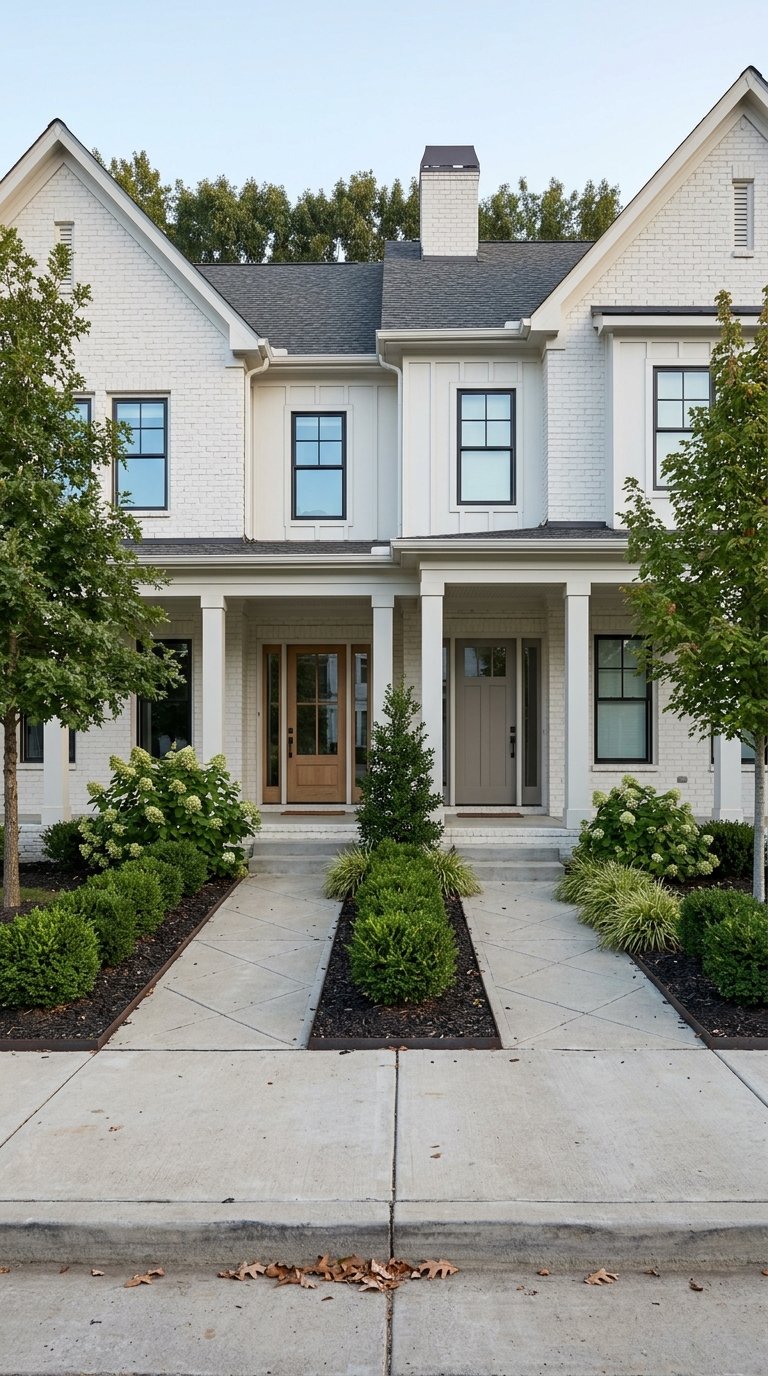
Updated townhomes and attached units near Hillsboro Village, 12South, and West End provide more space and often include parking. Pricing varies by renovation level and location, from roughly the mid‑$400,000s for smaller condo‑style homes or older rehabs, to $800,000 to $1.2 million+ for newer or extensively updated townhomes.
These homes attract both parent‑buyers and investors who want roommate‑friendly layouts. Inventory is thin, and price per square foot is higher than farther‑out suburbs, so plan your underwriting around current comps rather than broad averages.
Small multifamily (duplex to four‑plex)
Small multifamily near campus is scarce, and competition can be strong when a property hits the market. Pricing reflects land scarcity and strong demand for well‑located rentals. In recent commentary, stabilized cap rates for small multifamily in Nashville were discussed around the 5 to 6 percent range. Always pair cap‑rate targets with real rent comps and current financing quotes. Expect attention from local small‑portfolio buyers and 1031 exchangers.
Prices and rents: what to expect
Median sale price readings for 37205 often run high because the ZIP contains many large single‑family estates. Aggregators recently showed a wide spread for 37205, with some reporting medians near roughly $1.1 million and others lower. You should expect variation because of sample sizes and timing. Use recent MLS comps at the street and building level for accurate pricing.
For rents, estimates for the broader 37205 area have hovered around $2,000 to $2,100 per month on average. Within one to two miles of Vanderbilt and Belmont, units close to campus often command higher per‑bed pricing, especially when furnished. To see live examples of asking rents and lease terms, check Vanderbilt’s Off‑Campus Housing portal, where listings commonly show 12‑month and academic‑year options.
Leases and university rules that shape demand
Vanderbilt policies and lease timing
Vanderbilt’s student housing guidelines and off‑campus portal show a clear pattern: many academic‑year and semester‑timed leases plus a healthy sublet market. That means turnover often concentrates between late May and August. Budget for possible summer vacancy and plan your make‑ready work in that window. Listings on the off‑campus portal also show a mix of furnished and unfurnished options, with furnished units often carrying a premium.
Belmont residency requirements
Belmont maintains a live‑on requirement for many undergraduates. In some years this reduces the pool of off‑campus undergrad renters and channels demand to specific complexes. Before you buy, confirm the university’s current live‑on policy and on‑campus bed counts for the school year you will be leasing.
Why rules matter: HOA and STRs
Condo and HOA lease limits
HOA bylaws and condo declarations can make or break your plan. Many buildings:
- Set minimum lease lengths of 6 to 12 months.
- Cap the percentage of units allowed to rent at any time.
- Prohibit subletting or short‑term rentals.
If you plan to lease by the semester or keep the unit as a flexible investment, request the declaration, bylaws, and current rental policy early in due diligence. Nashville’s short‑term rental permit process also requires applicants to confirm HOA compliance, which underscores how seriously these limits are enforced.
Nashville short‑term rental permits
Metro Nashville requires a Short‑Term Rental Property permit before you list a unit as a short‑term rental. The city divides permits into owner‑occupied and not‑owner‑occupied types, and new not‑owner‑occupied permits are limited to certain zoning districts. The application includes neighbor notification, an HOA compliance statement, and, for multifamily structures, a Fire Marshal inspection. The permit fee is about $313, and you must post the permit number on your listing. Given zoning and HOA hurdles, flipping a campus‑area condo into a short‑term rental is not a plug‑and‑play exit strategy. Review Nashville’s program details through the Codes Department on Nashville.gov short‑term rentals and confirm what your parcel and building allow before you buy.
Operations: who rents, when, and how
Tenant mix
- Undergraduate students: You may see acceptable credit but higher turnover and more wear. Parent guarantors are common. Be ready to coordinate among roommates and hold firm on responsibilities in the lease.
- Young professionals, graduate students, and medical residents: These tenants often prefer 12‑month leases, produce lower turnover, and can stabilize cash flow.
Furnished vs. unfurnished
Furnished units can command higher rents and appeal to semester tenants and relocating residents. The tradeoff is higher replacement and maintenance costs. Track your inventory and insurance carefully, and decide upfront whether the premium offsets extra management time.
Budgeting for real costs
Use these rule‑of‑thumb items in your model:
- Vacancy and turnover reserve: 6 to 12 percent of annual rent, higher if you lean into semester leasing.
- Turnover cleaning and repairs: $500 to $2,500 per turn, depending on size and condition.
- Property management: 8 to 12 percent of collected rent, possibly higher for student‑heavy leasing.
- HOA dues: Highly variable and can materially reduce net cash flow.
Leasing channels
Strong results near campus usually come from a mix of channels: university off‑campus portals, MLS for investment‑grade units, and targeted online groups for roommates. Vanderbilt’s portal is a live barometer for asking rents, lease lengths, and furniture expectations in the immediate area.
Underwriting basics: test your numbers
A few simple sensitivity tests can protect your downside:
- Vacancy: Compare 5 percent vs. 10 percent annual vacancy to see the impact of summer gaps.
- HOA dues and capex: Model exact dues and build a realistic reserve for older condos with shared systems.
- Lease length: Compare academic‑year leasing to full 12‑month leases to test annualized revenue.
- Cap rates and financing: For small multifamily, use a target cap that reflects recent Nashville commentary around 5 to 6 percent for stabilized deals, and pair it with real lender quotes. DSCR loans and agency programs are available, but rates, LTV, and coverage tests change your returns.
Finally, price selection matters. Because 37205 medians skew higher due to larger estate sales and aggregator spreads can vary, rely on 1 to 3 recent MLS comps for the exact building, block, or townhome row you are evaluating.
Resale and exit planning
The buyer pool near campus includes parents, local small investors, and occasional 1031 buyers. Condos that appeal to owner‑occupants often resell faster than condos positioned only for student tenants. If you plan to sell during a softer market, consider the timing of academic calendars and turnover work so you can list a clean, vacant unit at an attractive moment. Early 2026 brought more inventory across the metro, which can help you negotiate today but can also affect short‑term resale pricing. Plan a hold period that does not depend on a quick flip.
Quick due‑diligence checklist
- Confirm parcel and zoning. Use the Metro Parcel Viewer to see zoning, overlays, and permitted uses.
- Request condo/HOA documents. Review the declaration, bylaws, rental caps, minimum lease length, short‑term language, rental application process, and FHA/VA certification.
- Check university rules and calendars. Review Vanderbilt and Belmont housing policies and the upcoming academic calendar to size demand and turnover windows.
- Verify local STR rules. Confirm if a not‑owner‑occupied STR permit is even allowed for your parcel and building. Review fees, inspections, and neighbor‑notification rules on Nashville’s Codes site.
- Pull rent comps. Use current on‑market listings and the Vanderbilt off‑campus portal to size per‑bedroom and furnished premiums.
- Model operating costs. Include HOA dues, property taxes, insurance, turnover, and management quotes.
- Pre‑check financing. Get DSCR or small‑multifamily lender quotes; rates and coverage ratios can change your offer price.
How Richard helps you buy well
Buying near Vanderbilt and Belmont is not one‑size‑fits‑all. You deserve seasoned, neighborhood‑specific advice that balances walkability, lease rules, and long‑term exit value. With a long track record across in‑town condos, townhomes, and luxury homes in nearby neighborhoods like Belle Meade and Forest Hills, you get steady guidance, clear comps, and careful due diligence at every step. From sourcing the right building and pulling HOA documents to coordinating inspections and connecting you with local lenders and property managers, we help you move forward with confidence.
Ready to talk through your goals and the best streets and buildings for your plan? Reach out to Richard F. Bryan to get started.
FAQs
What areas are truly walkable to Vanderbilt and Belmont?
- Focus on parts of 37212 and 37203, including Hillsboro Village, West End, and Midtown, which offer many addresses within a 10 to 15 minute walk of campus.
How does 37205 differ from campus‑adjacent ZIPs?
- Much of 37205 covers Belle Meade and West Meade, which are more owner‑occupied and feature larger single‑family homes at higher price points than the walkable student areas in 37212 and 37203.
Are short‑term rentals easy to set up near campus?
- No; Nashville requires a permit, zoning limits new not‑owner‑occupied permits, and many HOAs prohibit short‑term rentals, so always verify parcel rules and building policies before you buy.
Do condos near Vanderbilt and Belmont allow semester leases?
- Some do, but many HOAs require minimum lease terms of 6 to 12 months or cap the share of rentable units, so check the declaration and bylaws early.
How should I budget for turnover and management?
- A practical range is 6 to 12 percent annual vacancy/turnover, $500 to $2,500 per make‑ready, and 8 to 12 percent of rent for property management, higher for heavy student leasing.
What rent can a one‑bedroom condo near campus achieve?
- Furnished one‑bedrooms within walking distance commonly list around $1,500 to $2,500+ per month depending on building, finishes, and proximity to campus.
Does Belmont require students to live on campus?
- Belmont maintains a live‑on requirement for many undergraduates, which narrows the off‑campus undergrad renter pool in some years; confirm the current policy for your target school year.