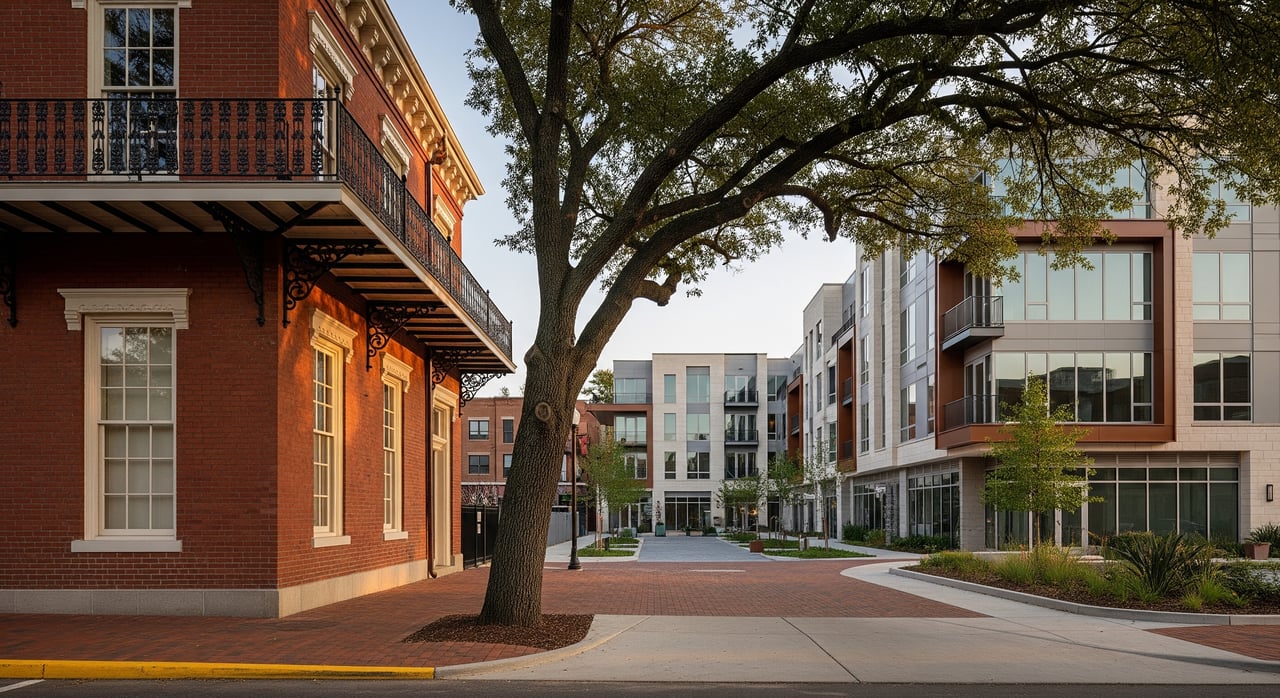
Choosing between Franklin’s charming Historic Downtown and the convenience of Cool Springs? If you are relocating or moving up, the right fit comes down to your daily rhythm, home priorities, and commute. In this guide, you will see how each area stacks up on housing, lifestyle, schools, and access so you can make a clear decision. Let’s dive in.
Historic Downtown at a glance
You get a classic Main Street scene with 19th‑century buildings, tree‑lined blocks, and a tight-knit street grid. The area hosts frequent events, markets, and festivals that keep sidewalks lively throughout the year. Explore the district’s shops and cultural calendar through the Historic Downtown overview from Visit Franklin.
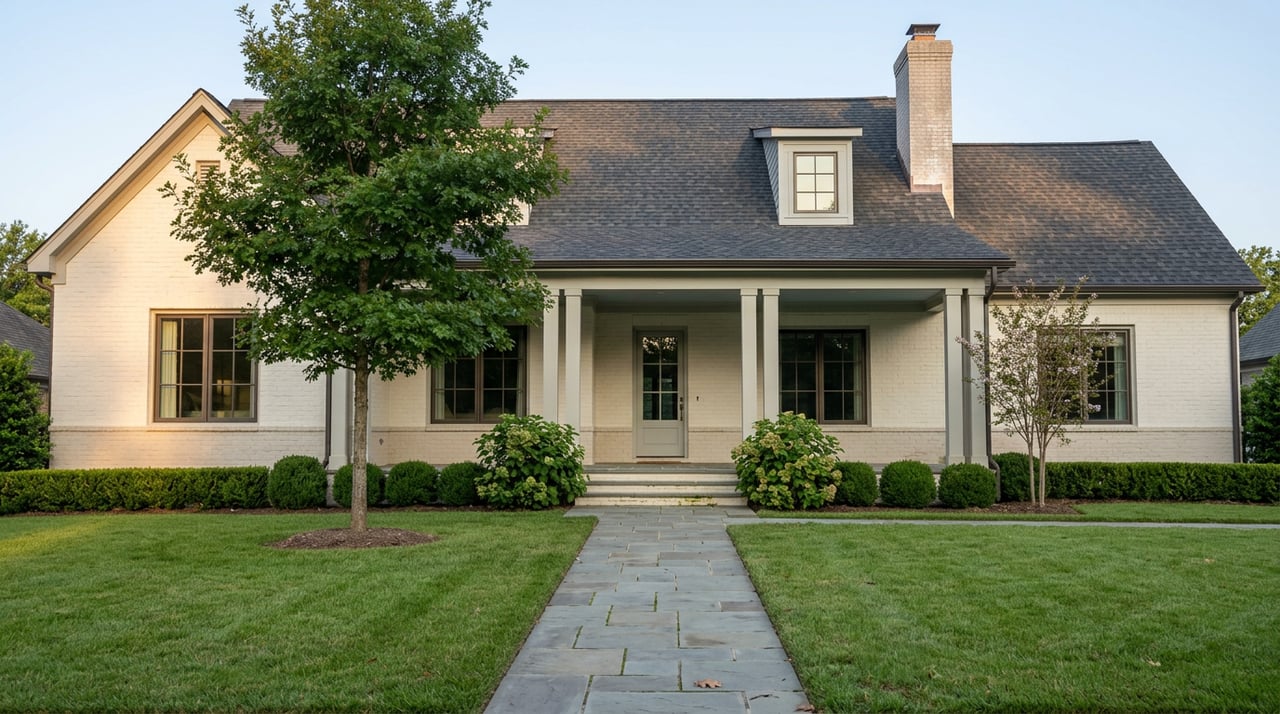
Homes include preserved and renovated historic properties, cottage‑scale residences, bungalows, and a handful of townhomes or condos close to Main Street. Lots are often smaller than what you see in newer suburbs, which supports the walkable feel. If you plan to remodel, review the city’s historic district guidelines through the City of Franklin.
Cultural touchpoints are close by. You can tour landmarks like Carnton and enjoy year‑round programming at local venues and museums. Parking is workable day to day but can be tighter during big events, so you will want a simple plan for festival days.
Cool Springs at a glance
Cool Springs is Franklin’s regional shopping and employment hub with wide commercial corridors and master‑planned neighborhoods. The area centers on the regional mall and a broad mix of retail, dining, and services anchored by CoolSprings Galleria. Subdivisions tend to be newer, with sidewalks, parks, and HOA amenities in many communities.
Housing ranges from townhomes and apartments to larger single‑family homes with modern layouts and garages. You will find a wide price spread and more new‑construction options than in the historic core. Health care and specialty services are readily accessible, including Williamson Medical Center.
Housing and price dynamics
Inventory close to Main Street is limited, and buyers often pay a premium for walkability, character, and historic provenance. Homes may have smaller interior square footage and older systems, which can require ongoing maintenance and thoughtful updates.
Cool Springs offers more product variety and a broader price range, from apartments and townhomes to newer single‑family homes and estate‑style properties. Newer construction can reduce immediate renovation needs, though HOA rules and fees may apply depending on the community.
For up‑to‑date pricing and inventory, your best source is the local MLS through an experienced agent. You can also review parcel details and tax history through county records. When comparing homes, look at price per square foot, lot size, year built, and days on market to understand value and velocity.
Commute and mobility
Franklin sits south of Nashville with major routes such as I‑65, SR‑96, and I‑840 providing regional access. Downtown Franklin is walkable for daily errands and has short bike‑trip potential, while Cool Springs is more car‑oriented with direct highway access near major employers. Congestion can be heavy near I‑65 interchanges and shopping nodes during peak hours.
Public transit within Franklin is limited. Most households rely on private vehicles, with commute patterns captured in U.S. Census QuickFacts. To gauge walkability and car dependence by block, check neighborhood pages on Walk Score, then test actual drive times during your typical commute window.
Schools and zoning basics
Most Franklin addresses are served by Williamson County Schools. Attendance zones vary block by block and can change over time. Always confirm your exact school assignment by address through Williamson County Schools, and review state report cards for performance and accountability data.
Downtown addresses may fall within older feeder patterns, while Cool Springs neighborhoods often connect to schools that serve newer subdivisions. Private and parochial options are available across the area, along with a range of daycare and preschool providers.
Everyday amenities
In the historic core, you will find independent shops, cafes, galleries, and frequent street‑level events. The environment feels intimate and neighborly, with smaller parks and cultural venues close at hand. Larger supermarkets and big‑box retailers are a short drive away.
In Cool Springs, convenience rules the day. Daily errands, specialty shopping, fitness, and dining options are extensive within a few minutes by car. Many planned communities include neighborhood amenities like playgrounds, pools, and trails, and medical offices and services are abundant.
Which lifestyle fits you
- You might prefer Historic Downtown if you value walkability, preserved architecture, and a lively calendar of local events within a compact setting.
- You might prefer Cool Springs if you want a newer home, a larger yard, a modern floor plan, and fast access to regional shopping and corporate offices.
- For both areas: map your commute, confirm school zoning by address, and weigh ongoing maintenance versus HOA rules and fees.
How to compare on the ground
- Visit both areas at different times of day to experience traffic, parking, and street life.
- Attend a downtown event, then tour Cool Springs shopping and office corridors to feel each area’s pace.
- Use map apps to test drive times to your key destinations during real commute hours.
- Pull recent comparable sales through MLS, verify attendance zones with the district, and review any historic overlay or HOA documents before you write an offer.
Ready to talk?
If you want a clear, data‑driven comparison tailored to your goals, let’s connect. With deep Franklin experience and access to MLS micro‑market trends, Richard F. Bryan will help you weigh tradeoffs, verify school zoning, and negotiate with confidence.
FAQs
Is Historic Downtown Franklin walkable for daily life?
- Many errands, dining, and cultural activities are within a short walk in the core. Larger grocery trips may require a quick drive depending on your exact address.
How does commuting from Cool Springs compare to Downtown?
- Cool Springs is closer to major employers and I‑65 access, which can shorten some commutes, but congestion near interchanges is common during peak hours.
What home types are most common in each area?
- Downtown skews toward historic single‑family homes and some condos or townhomes on smaller lots. Cool Springs offers newer single‑family homes, townhomes, apartments, and master‑planned communities.
How do I confirm school zoning for a property?
- Use the district’s address lookup to verify elementary, middle, and high school assignments, and then review official state report cards for performance data.
Are there special rules for renovating a downtown home?
- Many downtown addresses sit within historic overlays that guide exterior changes and additions. Review relevant city guidelines early in your planning.
Where can I find current prices and inventory?
- The most accurate, neighborhood‑level data comes from the local MLS. An experienced Franklin agent can provide up‑to‑the‑minute median prices, days on market, and inventory trends.