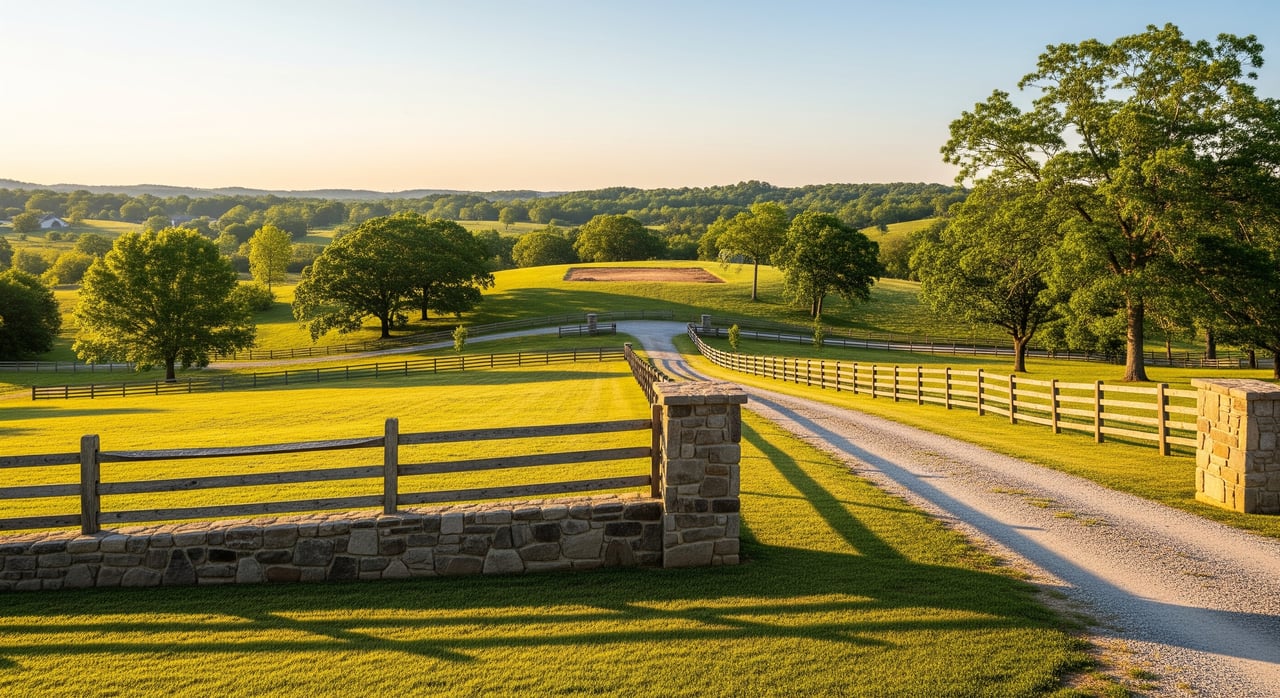
Two five-acre parcels in College Grove can carry very different price tags. If you are selling acreage or planning a custom build, understanding why one lot commands a premium while another lags is the key to making smart decisions. In this guide, you will learn the physical, legal, and market factors that drive lot value in College Grove, plus a practical checklist you can use before you spend a dollar on site work. Let’s dive in.
Why College Grove stands out
College Grove sits in Williamson County, a high-demand residential market known for rural acreage, hobby farms, and private estates. Buyers here often want privacy, usable land, and the option to build a custom home that fits their lifestyle. Equestrian features, pastoral views, and proximity to private amenities can push prices higher when paired with easy development conditions. Sellers who remove risk and cost for the next owner usually see stronger offers and shorter timelines.
Physical site factors that drive value
Topography and slope
Gentle, buildable slopes are worth more because they reduce grading, foundation complexity, and erosion control needs. Steeper slopes raise costs for retaining walls, stormwater management, and driveways. Ridge or hillside locations with long-range views can earn premiums. Low-lying or valley sites without views often trade at a discount.
What to check:
- Topographic survey or contour map
- Estimated percent slopes in the buildable area
- Potential cut and fill needs or retaining walls
Views and orientation
Clear ridgeline, pastoral, pond, or valley views are a major value add. A west or southwest view corridor is popular for sunsets. Solar orientation matters too. A south-facing slope can support passive solar design and comfortable outdoor spaces.
What to check:
- Sight lines from the proposed home site
- Tree growth patterns that may block views over time
Soil and drainage
Soil type affects septic feasibility, foundation design, and landscaping. Rocky soils can increase excavation costs. Poorly draining soils or seasonal seeps shrink the buildable envelope and add mitigation steps.
What to check:
- USDA NRCS soil mapping for general guidance
- On-site soils and perc tests for septic feasibility
- Geotechnical review if slopes are steep or soils are unusual
Floodplains and environmental constraints
FEMA floodplain designation or wetlands restrict where you can build. You may need mitigation or special approvals, which increases time and cost. Tree preservation rules, state waterways, and conservation easements can also limit usable acreage.
What to check:
- FEMA flood maps and county floodplain maps
- Wetlands indicators and a formal delineation if needed
- Any conservation easements or deed restrictions
Access and frontage
Frontage on a public, county-maintained road supports value. A long private driveway adds construction and ongoing maintenance costs. New road cuts, culverts, or driveway easements add permitting complexity.
What to check:
- Road type, surface, grade, and maintenance responsibility
- Sight distance and permits for driveway entry
- Existing easements and right-of-way details
Utilities and broadband
Proximity to utilities is one of the strongest price drivers. Electric, potable water, natural gas, and especially public sewer can streamline your build. Rural parcels that need long utility extensions or rely on septic and well often sell at a discount. Broadband and cellular coverage also matter, particularly for remote workers.
What to check:
- Utility company maps for service locations and connection paths
- Pole placement or overhead lines that affect siting and aesthetics
- Internet and cell coverage options from local providers
Vegetation and tree canopy
Mature trees add shade, privacy, and instant character. Heavy timber or dense underbrush increases clearing costs, but selective preservation can make a site more attractive and reduce heat gain.
What to check:
- Any tree protection rules or HOA design standards
- Clearing and selective preservation cost estimates
Size, shape, and usable acreage
Gross acreage is not the whole story. Buyers pay for usable acreage that is buildable and accessible. Odd shapes, narrow frontages, or land split by streams or wetlands can reduce your net buildable area and price per acre. Larger tracts can earn premiums if they offer privacy and contiguous usable land.
What to check:
- Net buildable acreage after setbacks and constraints
- Potential for future subdivision under county rules
Legal and market factors that change the math
Zoning and setbacks
Williamson County zoning sets minimum lot sizes, allowed uses, and what accessory structures you can build. Setbacks and height rules shape your buildable envelope and can influence design and value.
What to check:
- Zoning district, permitted uses, and overlays
- Setbacks, height limits, and accessory structure rules
Septic vs. sewer
Public sewer availability simplifies permitting and often boosts value. Where sewer is not available, septic feasibility is essential. The county health department sets criteria and issues permits based on soil and perc tests.
What to check:
- Whether a sewer main is available and has capacity
- Perc test results and septic system requirements
Easements and rights-of-way
Recorded easements for utilities, drainage, or access reduce where you can build. Conservation easements and surface use restrictions also affect siting and landscaping.
What to check:
- Title report and deed for easements and covenants
- Plat for any recorded right-of-way or shared access
HOA and club memberships
HOAs and private amenities can support higher values, but they add recurring fees and design standards. If a club membership is tied to lot ownership, the initiation, transfer rules, and ongoing costs can influence price and buyer demand.
What to check:
- CC&Rs, fee schedules, and any capital assessments
- Club membership types, transfer rules, and initiation fees
Taxes and impact fees
Property tax classification, including agricultural or conservation programs, affects carrying cost. Special assessments for road or infrastructure improvements can change your bottom line. Impact fees for new residential construction may apply.
What to check:
- Current tax classification and recent tax bills
- Any special district assessments or planned improvements
Market comparables and buyer preferences
Local buyers often prioritize privacy, acreage, views, and amenity access. Parcels that reduce upfront costs and time to build tend to sell faster. Market data on nearby lot sales and inventory helps set realistic expectations and pricing.
What to check:
- Recent comparable sales and time on market
- Active inventory for similar acreage and locations
Cost overlays that move price up or down
Common site development costs that reduce net value:
- Clearing and tree removal
- Grading and earthwork, including cut and fill
- Driveway construction and utility trenching or extensions
- Septic installation or sewer connection fees
- Erosion control and stormwater management
- Retaining walls and complex foundations on slopes
- Soil remediation for rocky or poor soils if required
- Permitting, impact fees, engineering, and survey costs
Examples of value adjustments:
- Premiums: ridge or long-view sites, lots with utility stubs, established driveways and cleared house sites, parcels in private amenity communities with transferable memberships.
- Discounts: long private drives, utility extensions, wetlands or floodplain constraints, severe slopes, adverse easements, or proximity to overhead power lines that impact siting.
Due diligence checklist for buyers and sellers
Immediate document checks
- Current deed and preliminary title report
- Recorded plat and survey
- CC&Rs, HOA bylaws, and club rules if applicable
- County zoning classification and any recent approvals or denials
On-site and technical checks
- Topographic survey with contours, setbacks, and easements
- Soils and perc tests plus USDA NRCS soil map review
- Geotechnical review if slope exceeds 15 percent or soils appear unstable
- Wetlands or stream delineation and FEMA flood zone status
- Utility availability check for electric, water, sewer, gas, and broadband
- Driveway site evaluation, sight distance, grade, and culvert needs
Cost and timeline checks
- Written estimates for clearing, grading, driveway, septic or sewer, and utility extensions
- Permitting timeline with county planning and health departments
- HOA transfer or initiation fees and ongoing dues; club transfer and initiation fees
Market and legal checks
- Recent comparable lot sales and current active listings
- Property tax status and any agricultural or conservation classification
- Confirmation of conservation easements or land-use programs
Who to call
- Local real estate agent with land and acreage experience in Williamson County
- Licensed land surveyor
- Civil or site engineer
- Septic contractor or county health department
- Utility companies for serviceability and connection costs
- Land or real estate attorney for deed and easement review
- Geotechnical engineer when slopes or soils warrant
Suggested sequence
- Preliminary document review and seller disclosures
- On-site visit with agent and surveyor to confirm topography and access
- Perc tests and utility availability requests
- Cost estimates for site work and any utility extensions
- Title commitment and resolution of easements or access issues
- Confirm permit timelines and any HOA or club transfer requirements
How sellers can position a lot to win
- Highlight usable acreage and a clear, logical home site.
- Complete soils and perc testing in advance and share results.
- Establish or improve driveway access and confirm sight distance.
- Mark boundaries and stakes for setbacks and easements.
- Verify utility availability and provide written confirmations where possible.
- Manage brush and undergrowth while preserving mature trees.
- Package zoning details, surveys, and any HOA or club documents for buyers.
These steps lower uncertainty for buyers, reduce renegotiation risk, and help your parcel stand out against competing acreage.
Ready to evaluate a parcel?
Whether you are pricing land to sell or weighing two potential build sites, you deserve clear, local guidance rooted in College Grove’s realities. If you want an experienced, steady hand to help you map the site factors, navigate county rules, and position your lot for the best outcome, reach out to Richard F. Bryan. Let’s connect and chart your best next step.
FAQs
What factors most influence lot value in College Grove?
- Topography, views, utility proximity, septic or sewer feasibility, access and frontage, usable acreage, zoning, and HOA or club requirements.
How does septic feasibility affect price when there is no sewer?
- Positive perc tests and suitable soils raise confidence and value, while marginal soils, complex systems, or unknowns reduce buyer appetite and price.
Why do ridgeline or hillside parcels often sell at a premium?
- Long-range views and sunset orientations are prized if the slope remains buildable, which combines lifestyle appeal with strong resale potential.
What is “usable acreage,” and why does it matter?
- Usable acreage is land you can realistically build on after setbacks, slopes, floodplains, and easements, and buyers pay more for higher usable area.
Which site costs should buyers budget for on raw land?
- Clearing, grading, driveway and trenching, septic or sewer connection, erosion control, potential retaining walls, engineering, surveying, and permits.
How can sellers reduce buyer risk before listing a lot?
- Provide surveys, title details, perc results, utility confirmations, and a clear house site, and verify zoning to streamline due diligence and offers.